e99 Online Shopping Mall

Geometry.Net - the online learning center Help  
Home  - Science - Ecology (Books)

  1-20 of 100 | Next 20
A  B  C  D  E  F  G  H  I  J  K  L  M  N  O  P  Q  R  S  T  U  V  W  X  Y  Z  

click price to see details     click image to enlarge     click link to go to the store

$7.98
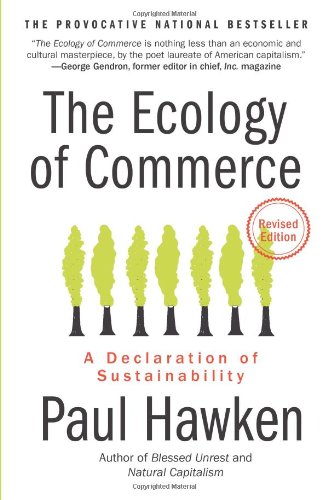
1. The Ecology of Commerce
$19.94
2. The Body Ecology Diet
$89.99
3. Elements of Ecology (6th Edition)
$86.50
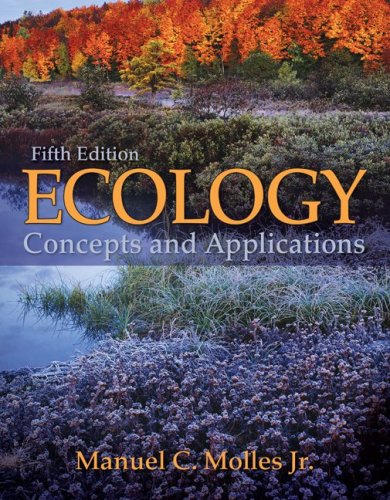
4. Ecology: Concepts and Applications
$19.74
5. The Body Ecology Diet: Recovering
$31.30
6. Foundations of Ecology: Classic
 
$110.96
7. Ecology and Field Biology: Hands-On
$71.99
8. Ecology: From Individuals to Ecosystems
$29.70
9. Infectious Disease Ecology: Effects
$4.00
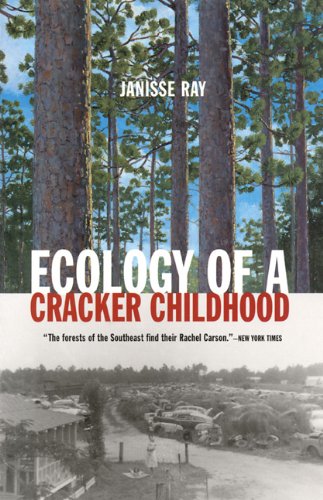
10. Ecology of a Cracker Childhood
$44.98
11. Landscape Ecology in Theory and
$69.33
12. Stream Ecology: Structure and
$59.34
13. An Introduction to Behavioural
$34.70
14. A Primer of Ecology
$80.96
15. The Ecology of Plants, Second
$81.90
16. Wildlife Ecology and Management
 
$109.33
17. Wildlife Ecology and Management
$49.05
18. Essentials of Ecology
$35.00
19. Primate Behavioral Ecology (3rd
$6.99
20. Ecology of Fear: Los Angeles and

1. The Ecology of Commerce
by Paul Hawken
Paperback: 272 Pages (1994-08-03)
list price: US$16.95 -- used & new: US$7.98
(price subject to change: see help)
Asin: 0887307043
Average Customer Review: 4.5 out of 5 stars
Canada | United Kingdom | Germany | France | Japan
Editorial Review

Amazon.com
Paul Hawken, the entrepreneur behind the Smith & Hawken gardening supplies empire, is no ordinary capitalist. Drawing as much on Baba Ram Dass and Vaclav Havel as he does on Peter Drucker and WalMart for his case studies, Hawken is on a one-man crusade to reform our economic system by demanding that First World businesses reduce their consumption of energy and resources by 80 percent in the next 50 years. As if that weren't enough, Hawken argues that business goals should be redefined to embrace such fuzzy categories as whether the work is aesthetically pleasing and the employees are having fun; this applies to corporate giants and mom-and-pop operations alike. He proposes a culture of business in which the real world, the natural world, is allowed to flourish as well, and in which the planet's needs are addressed. Wall Street may not be ready for Hawken's provocative brand of environmental awareness, but this fine book is full of captivating ideas.Book Description
A visionary new program that businesses can follow to help restore the planet. ... Read more

Customer Reviews (38)

5-0 out of 5 stars Reshaping industrialism
Looking for a book to explain how capitalism and environmentalism can coincide? This is it.
For years we've been led to believe that if we want progress and technology advances we should learn to accept there's a price---> pollution. Mega-Corporates keep polluting our world, poisoning the water we drink and the air we breathe, destroying habitats so thoroughly that our children will probably only see wild animals at Zoos. And it's all done in the name of progress.
Paul Hawken proves the concept of progress=pollution to be very wrong. He demands that companies cut their energy consumption by 80 percent and then use the money they save for research to help find better clean sources of energy. He demands companies reduce their waste and not simply dump it. He demands companies think of what they're doing to our world and not just the bottom line. He even thinks they can make money this way. He suggests a new, more moral way of doing business.
A very thought provoking book raising many very tough questions about the way companies today run their businesses. A must read for anyone interested in environmental issues and the business world.

5-0 out of 5 stars Global Required Reading
I don't even know how to begin describing how great this book is. It should be required reading for EVERYBODY on the planet.I learned about this book while watching the documentary, "The Corporation," and I'll have to admit, I wasn't expecting anything revolutionary in this book.I thought I'd be getting some interesting pictures and statistics relating to consumption, recycling, landfills, global warming...pretty much your standard environmental rhetoric (of which I'm a subscriber) to complement what I already know.What I got, however, was so much more.This book is not only about the environment, but about how the environment integrates with global business and economics.For some reason, the 'developed' world has created a disconnect between the environment and business.Hawken shows how the two are inextricably connected, and in order to guarantee a successful future for us, our children and all life on earth, business and the environment must work harmoniously and each stop being the bane of the other.

His metaphor for business IS the environment: everything in nature is cyclical, which brings maximum efficiency.Nothing is more efficient than the natural world:one organism's waste is another organism's life source.If business would approach operations and resources from this perspective, waste would not be 'waste' and the benefits of increased efficiency would permeate throughout all life and systems.His metaphor is very simple but exceedingly beautiful, and only becomes more so as Hawken goes in-depth with concrete examples and further exploration of all issues from both sides.Throughout reading this book, I was continuously floored by his analysis, his insight and his prescription for the future.

And a note about his prose:every sentence reflects structurally the economies and efficiencies it conveys ideologically.This man is concise and his style is powerful - every word packs a punch.He says so much with so little, maximizing the time spent in our reading investment.Clearly, I have nothing but the highest praise for Hawken and this book - it is truly visionary.

4-0 out of 5 stars Tough read but worth the time
This isn't an easy read. Lot of technical info but read it and re-read it. It may just be what America needs.

4-0 out of 5 stars Taking care of business and our world
Hawken's message is no less urgent 15 years after he wrote this landmark book on economic change. It is a message he refined as co-author (with the Lovinses) of NATURAL CAPITALISM: CREATING THE NEXT INDUSTRIAL REVOLUTION (Little, Brown & Company, 1999), but this volume is more directly aimed at business owners. The author looks at the three ways that business interacts with the environment -- what it takes, what it makes, and what it wastes -- and shows that a fresh approach can be both profitable and life sustaining. If the book is dated at all, it is because things have gotten worse. Population was only (!) 5.8 billion when he wrote it, and humans were only (!!) using, consuming, clearcutting or burning, 40 percent of the net primary production (NPP) of the earth's land ecosystems. (NPP is the sum of all photosynthetic production minus the energy required to maintain and support those plants.) Both numbers have, of course, risen. Fortunately, during the 90s many of the world's governments have begun to embrace a new view of business and a new definition of profit and loss. The most significant holdout is, of course, the biggest taker, maker and waster -- us. (I must offer a disclaimer here: some Letterheads are not in the U.S.A., and therefore are absolved from this condemnation. Although, in owning computers, they are presumptively more like us than like the rest of the world.) Hawken's view in this book is so comprehensive, that it ought to be the blueprint for businesses in the 21st century. (I predict that it WILL be the blueprint for businesses that survive the 21st.) Ray Anderson, founder and CEO of Interface, the largest maker of carpet tiles in the world and a Fortune 500 company, clearly embraced Hawken's message when he revamped his company a few years ago: they are retooling with a stated goal of zero chimneys, zero waste pipes, zero landfill. Anderson took Hawken's message to heart and to the bank: waste is not just pollution, it is dollars down the drain. A business in tune with natural systems will not produce waste. Everything will recycle. In a neat resolution of apparent opposites, the author looks at optimistic claims that we can grow our way out of environmental problems -- viewing economic growth as the key to funding remediation -- versus pessimistic visions suggesting that we will exceed (perhaps have already exceeded) the carrying capacity of the planet. He notes that due to ever-improving extraction techniques, the pro-growth viewpoint is bound to work splendidly in the short term, and will do so right up until the day it fails. Because the pessimists are wrong in the short term, but are precisely correct about the more distant future. Unfortunately the pivotal point is hard to see coming. Hawken reminds us of the analogy of the twenty-ninth day, offered by ecologists including Dr. David Suzuki: "When algae take over a lake they grow exponentially, doubling every twenty-four hours, until the thirtieth day, when they effectively remove all oxygen from the water, killing all other forms of life. Since the algae bloom doubles daily, on the twenty-ninth day, it covers only half the lake, a reasonably benign condition as long as one does not take into account the nature of exponential growth." This offers not only a lesson in the speed with which collapse can come upon an ecosystem, but about the futility of technological fixes. If the oxygen in the lake were increased by 50 percent on that last day (a production boost that far exceeds human technological improvements in any short term) it would only forestall collapse by six hours. Businesses, governments and we ourselves ignore Hawken at our peril.

5-0 out of 5 stars Sustainability: Economic revolution - Ecological necessity
I discovered both this book and the author after watching "The Corporation", an award winning documentary about the genesis, evolution, and nature of the "dominant institution of our time". In one of the film's many compelling interviews, Ray Anderson, the CEO of the world's largest carpet manufacturer Interface, mentions that after reading Hawken's book he was so deeply convicted about the negative effects his company was having on the environment that he vowed to completely restructure the Interface business model. In a campaign called, "Mission Zero", Interface carpet has promised to "eliminate any negative impact our company may have on the environment by the year 2020." Needless to say, after hearing from Anderson that Hawken's book was capable of so dramatically transforming his managerial approach at Interface, I put The Ecology of Commerce at the top of my "to read" list.I would suggest that you do the same.

[...]. ... Read more


2. The Body Ecology Diet
by Donna Gates
Paperback: Pages (2006-06-15)
list price: US$24.95 -- used & new: US$19.94
(price subject to change: see help)
Asin: 0963845837
Average Customer Review: 4.5 out of 5 stars
Canada | United Kingdom | Germany | France | Japan

Customer Reviews (8)

4-0 out of 5 stars Packed with information
Donna's book is an information powerhouse, especially for those who may be in search for an answer to health related issues. Food sensitivities should be considered first and foremost when health has gone awry. Just as doctors often use a "rule out" theory when trying to solve medical mysteries, the average person can also have some control over his or her health by paying close attention to the fuel that we expect our bodies to run efficiently on. Karen Steward author of Doctors: Bound By Secrecy? Victims: Bound By Pain!

5-0 out of 5 stars You must read this book!
I love the Body Ecology Diet! It is easy to read & so informative. I feel so much better now that I eat as the book describes. I have more energy, my skin is clearer, I feel lighter & I've lost a little weight!

5-0 out of 5 stars Tremendous Gratitude for Transformative Information
I learned of this book from Truth Calkins, a remarkable guy that healed himself using Body Ecology Diet priniciples. He is truly insightful and can be seen on YouTube.

The lifestyle changes recommended in the BED are not simply implemented by everyone. But with perserverence, the diet can truly transform your health, and therefore your life, for the better. It definately has for me. I work in a health food store and have recommended many of the BED principles to customers who have visited many doctors to no avail and are looking for something that really works. They not only feel the difference but express tremendous gratitude for this valuable information.

I highly recommend this book to anyone who has ever taken a course of antibiotics, suffers from fatigue or lack of energy for no apparent reason, dark under-eye circles possibly due to adrenal problems, among many other symptoms.

Additionally, I recommend David Webster's book, Achieve Maximum Health: Colon Flora the Missing Link in Immunity, Health & Longevity to anyone looking to dig deeper into establishing a healthy inner balance of microflora.

Never stop searching, and have the best day ever. Cheers to achieving radiant health!

1-0 out of 5 stars Another diet book
The Body Ecology Diet seems perfectly suited to the times. A health conscious generation interested in alternative medicine would naturally be curious about purchasing this book and discovering what it has to offer. Unfortunately, as I flipped through the pages, I was surprised to discover a support of the theory of candidasis and a lack of individualized diet planning that you at least get along with most gym memberships.
The Body Ecology Diet is just another diet book and one that's definitely not worth 22 dollars a pop. *Without the cost of food*
You can buy stevia powder and kefir at your local Whole Foods anyway. What's the point in paying more to order it online?
A better book to read would be Sally Fallon's "Nourishing Traditions."

5-0 out of 5 stars The Body Ecology Diet
I'm afraid I am of little help in this area.I bought this book as a gift, but the recipient was very excited to have it. ... Read more


3. Elements of Ecology (6th Edition) (Ecology Place Series)
by Robert Leo Smith, Thomas M. Smith
Paperback: 744 Pages (2005-10-13)
list price: US$120.20 -- used & new: US$89.99
(price subject to change: see help)
Asin: 0805348301
Average Customer Review: 5.0 out of 5 stars
Canada | United Kingdom | Germany | France | Japan
Editorial Review

Book Description

KEY BENEFIT: Elements of Ecology, Sixth Edition maintains its engaging, reader-friendly style as it explains the basic principles of ecology. The text is updated to include new chapters on current ecological topics; new part introductions to connect the subfields of ecology; and new in-text features to encourage students to interpret the ecological data, research, and models used throughout the text. Abundant, accessible examples illustrate and clarify the text's emphasis on understanding ecological patterns within an evolutionary framework. Additionally, the text employs new study questions requiring students to make connections and apply their knowledge.

KEY TOPICS: Introduction and Background, The Nature of Ecology, Adaptation and Evolution, The Physical Environment, Climate, The Aquatic Environment, The Terrestrial Environment, Organismal Ecology, Plant Adaptations, Animal Adaptations, Life History Patterns, Population Ecology,Properties of Populations, Population Growth, Interspecific Population Regulation, Metapopulations, The Ecology of Species Interactions,Competition, Predation, Parasitism and Mutualism, Community Ecology,Community Structure, Factors Influencing the Structure of Communities, Community Dynamics, Landscape Ecology, Ecosystem Ecology, Ecosystem Energetics, Decomposition and Nutrient Cycling, Biogeochemical Cycles, Biogeographical Ecology,Terrestrial Ecosystems, Aquatic Ecosystems, Land-Water Interface, Large-scale Patterns of Biodiversity, Human Ecology, Population Growth, Resource Use, and Sustainability, Habitat Decline, Biodiversity, and Conservation Ecology, Global Climate Change.

MARKET: For all readers interested in the basic principles ecology.

... Read more

Customer Reviews (2)

5-0 out of 5 stars Comprehensive and interesting
This is a must-read text for anyone interested in a general overview of ecology.The chapters are thorough yet concise and the topics are laid out in a logical progression.

5-0 out of 5 stars very good text
a very readable text...interesting, well written, and full of colorful diagrams.a good introduction to a discipline i had taken for granted. ... Read more


4. Ecology: Concepts and Applications
by Manuel C Molles
Paperback: 604 Pages (2006-09-22)
list price: US$116.88 -- used & new: US$86.50
(price subject to change: see help)
Asin: 0073309761
Average Customer Review: 4.5 out of 5 stars
Canada | United Kingdom | Germany | France | Japan
Editorial Review

Book Description
This introductory general ecology text features a strong emphasis on helping students grasp the main concepts of ecology while keeping the presentation more applied than theoretical. An evolutionary perspective forms the foundation of the entire discussion. The book begins with the natural history of the planet, considers portions of the whole in the middle chapters, and ends with another perspective of the entire planet in the concluding chapter. Its unique organization of focusing only on several key concepts in each chapter sets it apart from the competition. ... Read more

Customer Reviews (3)

5-0 out of 5 stars ARare Textbook!
Molles "Ecology: Concepts and Applications" is a rare textbook for three reasons:

1. It is unusually well-writen for a science textbook-clearly
writen and even poetic at times.

2. The author is open to more-than-scientific approaches to
studying the Natural World-such as aesethics, art,literature
and ethics.Molles is a good man for including these
dimensions in his textbook.Too many natural scientists
study science in a vacum, divorced from its socio
cultural, political-economic and spiritual context.

3. Finally, this book is a good Ecology textbook to use at a
Christian college or university because it does not try to
hock a scientific naturalist agenda and it will be a great
introduction to the breath and scope of God's Creation here
on Earth.

5-0 out of 5 stars Great for non-technical study
This book is the first science text I have ever encountered which I enjoy reading.It generally takes the form of a series of stories which the author deftly uses to illustrate ecological concepts.It's not technical enough for a serious ecology student, but I hope that many people read it to gain an appreciation for ecology without encountering some the fanaticism which had previously turned me away from the subject entirely.Thanks.

4-0 out of 5 stars Great for non ecology major students
Molles has outdone himself with this book.It presents the reader a greatbook for students who are not majoring in ecology and a great way tounderstand ecology and the different field works done in the area.Thetables and organization are great.I speacially like the way the authormakes a subject easy to understand and the way the tables and pictures helpyou to understand.It's a great book. ... Read more


5. The Body Ecology Diet: Recovering Your Health and Rebuilding Your Immunity
by Donna Gates, Linda Schatz
Paperback: 288 Pages (2002-04)
list price: US$24.95 -- used & new: US$19.74
(price subject to change: see help)
Asin: 0963845829
Average Customer Review: 4.0 out of 5 stars
Canada | United Kingdom | Germany | France | Japan

Customer Reviews (32)

5-0 out of 5 stars THE BEST BOOK OF ITS KIND ON THE MARKET
Testimonial: I suffered from bloating and flatulence for many years until I discovered Donna's recipe in her book called Coconut Kefir. It isn't an inexpensive diet for someone making less than $13,000 a year, but if done, it can make the world of difference in the way you feel and look. I also made the fermented vegetables which I am sure was part of the solution. Anyway, to make a long story short, I lost the weight around my gut in 3 months or less and I felt better and spoke clearer. I even gained more confidence, somehow.

Manufactured antibiotics kill off the good bacteria in ones intestines. Good bacteria is needed to help break down the foods that we eat. Without them, digestion is disturbed and this can bring on many diseases to the body. I freed myself by adding good bacteria in the coconut Kefir and fermented veges.

Try it...buy the book...it will amaze you.

By the way, one of my favorite soups mentioned and described in her book is called "Potato Corn Chowder"....Gotta love it.

Cameron
Atlanta, GA

5-0 out of 5 stars The Body Ecology Diet
This book is an absolute necessity for anyone that wants to reclaim their health.Donna Gates has researched throughout the world to find answers to so many health issues that people are facing today.This book combines so much information to assist in healing... our inner ecology is the first place to focus!-- Thank you, Donna, for dedicating your life to helping others and getting this information out to the world!
Wende Bartolomeowww.ForeverHealthyDiet.com

4-0 out of 5 stars For the person committed to bringing their body into a healthy inner ecology
Donna Gates has created an outstanding diet (Or as I call it nutritional plan) for those people that want to focus on building their inner ecology; and then creating a healthy external body from this.
This nutritional plan is not another quick fix, but it is a way of making you look at what you put in your mouth, while educating you for making better alternatives.

There is one flaw I found with this book - Not with the diet.
I found that the lay out and information was not in sequences. This made it harder to read, than if Donna had have put the information in a sequenced order.

The results of balancing your inner ecology can help with
- Headaches - Low sex drive
- Depression- Food allergies
- Cancer- Joint & muscle pain
- Aids- Digestive problems
- Skin Rashes - Menstual irregularities

Donna teaches you begginning with the foundation of good health and the priciples of the body ecology diet. She educates you on how to rebuild your immune system and create a bright, healthy future.
It has several pages at the end of the book with recipes and menu suggestions.

I would say that this is not for people wanting a quick fix, or the easy way out. This is a way of life, and a life long way of eating. I know once I read this book I realised I wouldnt ever want to eat differently.

Blessings to you and your health!

5-0 out of 5 stars Fabulous book for anyone battling digestive issues!
My youngest has battled digestive issues since she started solids.This book gave me wonderful guidance on how to clear up those problems and help her body/gut heal.It has made a tremendous difference in her overall health.While I think her "diet" is good for everyone, it's a little too restrictive for most.I know I could never stick to a diet this rigid, but I have made a lot of dietary changes myself because of this book.Love it!Love it!Love it!Highly recommend reading this book.

5-0 out of 5 stars Excellent book on candidiasis.
Fun to read, easy to understand, very helpful. I've been working on diets for candidiasis for many years, and this bring all the best of it together, plus does not advocate for any drug. Highly recommend. ... Read more


6. Foundations of Ecology: Classic Papers with Commentaries
Paperback: 920 Pages (1991-10-15)
list price: US$40.00 -- used & new: US$31.30
(price subject to change: see help)
Asin: 0226705943
Average Customer Review: 5.0 out of 5 stars
Canada | United Kingdom | Germany | France | Japan
Editorial Review

Book Description

Assembled here for the first time in one volume are forty classic papers that have laid the foundations of modern ecology. Whether by posing new problems, demonstrating important effects, or stimulating new research, these papers have made substantial contributions to an understanding of ecological processes, and they continue to influence the field today.

The papers span nearly nine decades of ecological research, from 1887 on, and are organized in six sections: foundational papers, theoretical advances, synthetic statements, methodological developments, field studies, and ecological experiments. Selections range from Connell's elegant account of experiments with barnacles to Watt's encyclopedic natural history, from a visionary exposition by Grinnell of the concept of niche to a seminal essay by Hutchinson on diversity.

Six original essays by contemporary ecologists and a historian of ecology place the selections in context and discuss their continued relevance to current research. This combination of classic papers and fresh commentaries makes Foundations of Ecology both a convenient reference to papers often cited today and an essential guide to the intellectual and conceptual roots of the field.

Published with the Ecological Society of America.
... Read more

Customer Reviews (8)

5-0 out of 5 stars Foundations of Ecology
Excellent compendium of seminal articles in the field of ecology.It has very nicely complemented the textbook for the course I am now taking, Introduction to Ecology, which mentions many of the articles reprinted in this fine collection.

5-0 out of 5 stars Some very hard to find papers included
This is a great collection of papers. Some of the papers included in this volume are not easily available online in the PDF format, nor are they available in too many libraries for loan.
The commentaries and organization of the book make it a pretty smooth read.

4-0 out of 5 stars A must have for an ecologist
A nice compilation of papers that historically leads you through Ecology as a scientific discipline. The commentaries are useful and educational. It is timeless and a fundamental instrument for any ecologist, particularly at the early post-graduate level. The only drawback is that it could be more comprehensive (the editors state that they had to define criteria to cut out some papers from their initial selection), but the information in it can be complemented with good Ecology textbooks.

5-0 out of 5 stars Must have for any ecologist
This book is a great compilation of some of the most fundamental papers in ecology.Every ecologist should own a copy.As a student, it provides a well-rounded insight into the history of ecological though.I highly recommend!

5-0 out of 5 stars Great shopping
The item was as described and it was sent in good time.I enjoyed the shopping experience.Will recommend the seller. ... Read more


7. Ecology and Field Biology: Hands-On Field Package (6th Edition)
by Robert L. Smith, Thomas M. Smith
 Hardcover: 720 Pages (2002-01-15)
list price: US$130.60 -- used & new: US$110.96
(price subject to change: see help)
Asin: 0321068815
Average Customer Review: 3.0 out of 5 stars
Canada | United Kingdom | Germany | France | Japan
Editorial Review

Book Description
This book presents a comprehensive overview of all aspects of ecology, including evolution, ecosystems theory, practical applications, plants, animals, biogeochemical cycles, and global change. This balanced approach has made Ecology and Field Biology, Sixth Edition the best-selling ecology book on the market. The field package also includes The Ecology Action Guide, a guide that encourages readers to be environmentally responsible citizens, and a subscription to The Ecology Place (www.ecologyplace.com), a web site and CD-ROM that enables users to become virtual field ecologists by performing experiments such as estimating the number of mice on an imaginary island or restoring prairie land in Iowa. ... Read more

Customer Reviews (4)

1-0 out of 5 stars Did not receive it, but got money back
I did not receive my book because it was out of stock.Some weeks later, I got my money back.

5-0 out of 5 stars Great Deal
Fast delivery.Book was in great shape for a great price.Thanx!

4-0 out of 5 stars good for a general ecology course or reference
I have used this book for several years as a text for my general ecology course.Although simple errors may plague this book, it is one of the mostcomprehensive for a course involving field investigations.The appendixsections on sampling plant and animal populations and life tableconstruction are very helpful for students and instructors.The book isstrong on physiological ecology, plant interactions, and case historypresentations.

2-0 out of 5 stars pretty pictures, but a poor text choice
I "inherited" Smith's book from my predecessor as the text for a general ecology course (junior-level).I found it to be a poor choice.The fifth edition appears to have undergone recent and massive revision; the text had far more than its fair share of typos, literature citations that were not listed in the bibliography, and perhaps most damningly, colorful figures that were often inadequately explained and sometimes incorrectly labeled.While I understand the presence of factual errors - a text with a subject as diverse as ecology would be difficult for one person to write - there is no excuse for them.All in all, this book was a disappointment. ... Read more


8. Ecology: From Individuals to Ecosystems
by Michael Begon, Colin A. Townsend, John L. Harper
Paperback: 752 Pages (2006-01-14)
list price: US$95.95 -- used & new: US$71.99
(price subject to change: see help)
Asin: 1405111178
Average Customer Review: 4.5 out of 5 stars
Canada | United Kingdom | Germany | France | Japan
Editorial Review

Book Description
Begon, Townsend, and Harper's Ecology has long been regarded as the definitive textbook on all aspects of ecology. This new edition provides a comprehensive treatment of the subject, from the first principles of ecology to the current state of the field, and aims to improve students' preparedness to address the environmental problems of the new millennium.

Thoroughly revised and updated, this fourth edition includes:


  • three new chapters on applied ecology, reflecting a rigorous, scientific approach to the ecological problems now facing mankind
  • discussion of over 800 new studies, updating the text throughout
  • an updated, user-friendly design with margin notes and chapter summaries that serve as study aids
  • dedicated website at www.blackwellpublishing.com/begon

The resulting textbook is easy to use, lucid and up-to-date, and is the essential reference for all students whose degree program includes ecology and for practicing ecologists. ... Read more

Customer Reviews (3)

4-0 out of 5 stars GOOD FOR SCIENCE OLYMPIAD!
I may be the only person reviewing this book who's not in college.Anyway, I ordered this book because I needed to study for an event in science olympiad dealing with ecology.Ever since I received it, I have gotten first place at every tournament!The plethora of real-world examples in this book were very helpful.My only problem with it were the "illustrations". Come on, diagrams? Maybe... but illustrations? NO WAY!Except a few here and there.I also didn't like how all the diagrams were the exact same color.

5-0 out of 5 stars good, solid review of Ecology
I'm a grad student in ecology, and this book is a wonderful review of the subject.The writing is straightforward and includes lots of examples from the scientific literature.

It's well written and has many levels, so it would be just as valuable for an undergrad with an interest in ecology as it is for the grad student boning up for qualifying exams (me!).Much better than comparable ecology books that I used as an undergraduate.

4-0 out of 5 stars intricate interrelationships
The ecology presented in the text emphasises an interdependence between the individual organisms that constitute an ecosystem. This interdependence can be understood in several ways, as explained. Using a flow of energy through the system. Where you start with an infalling of sunlight to drive photosynthesis. Building from there into an intricate mesh of relationships.

Another view follows the flow of matter in an ecosystem. As on the ocean floor. Where photosynthesis is not feasible. This ecosystem might be usefully seen as depending on a continual descending of matter from the upper ocean. Granted, this ultimately is driven by sunlight. But following the bookkeeping of matter flow is perhaps a more meaningful approach for benthic ecosystems. ... Read more


9. Infectious Disease Ecology: Effects of Ecosystems on Disease and of Disease on Ecosystems
Paperback: 504 Pages (2008-02-21)
list price: US$45.00 -- used & new: US$29.70
(price subject to change: see help)
Asin: 069112485X
Canada | United Kingdom | Germany | France | Japan
Editorial Review

Book Description

News headlines are forever reporting diseases that take huge tolls on humans, wildlife, domestic animals, and both cultivated and native plants worldwide. These diseases can also completely transform the ecosystems that feed us and provide us with other critical benefits, from flood control to water purification. And yet diseases sometimes serve to maintain the structure and function of the ecosystems on which humans depend.

Gathering thirteen essays by forty leading experts who convened at the Cary Conference at the Institute of Ecosystem Studies in 2005, this book develops an integrated framework for understanding where these diseases come from, what ecological factors influence their impacts, and how they in turn influence ecosystem dynamics. It marks the first comprehensive and in-depth exploration of the rich and complex linkages between ecology and disease, and provides conceptual underpinnings to understand and ameliorate epidemics. It also sheds light on the roles that diseases play in ecosystems, bringing vital new insights to landscape management issues in particular. While the ecological context is a key piece of the puzzle, effective control and understanding of diseases requires the interaction of professionals in medicine, epidemiology, veterinary medicine, forestry, agriculture, and ecology. The essential resource on the subject, Infectious Disease Ecology seeks to bridge these fields with an ecological approach that focuses on systems thinking and complex interactions.

... Read more

10. Ecology of a Cracker Childhood (World As Home, The)
by Janisse Ray
Paperback: 224 Pages (2000-07-28)
list price: US$14.95 -- used & new: US$4.00
(price subject to change: see help)
Asin: 1571312471
Average Customer Review: 4.5 out of 5 stars
Canada | United Kingdom | Germany | France | Japan
Editorial Review

Amazon.com
The scrubby forests of southern Georgia, dotting a landscape of low hills and swampy bottoms, are not what many people would consider to be exalted country, the sort of place to inspire lyrical considerations of nature and culture. Yet that is just what essayist Janisse Ray delivers in her memorable debut, a memoir of life in a part of America that roads and towns have passed by, a land settled by hardscrabble Scots herders who wanted nothing more than to be left alone, and who bear the derogatory epithet "cracker" with quiet pride.

Ray grew up in a junkyard outside what had been longleaf pine forest, an ecosystem that has nearly disappeared in the American South through excessive logging. Her family had little money, but that was not important; they more than made up for material want through unabashed love and a passion for learning, values that underlie every turn of Ray's narrative.She finds beauty in weeds and puddles, celebrates the ways of tortoises and woodpeckers, and argues powerfully for the virtues of establishing a connection with one's native ground.

"I carry the landscape inside like an ache," Ray writes. Her evocations of fog-enshrouded woods and old ways of living are not without pain for all that has been lost--but full of hope as well for what can be saved. --Gregory McNameeBook Description

Janisse Ray grew up in a junkyard along U.S. Highway 1, hidden from Florida-bound vacationers by the hedge at the edge of the road and by hulks of old cars and stacks of blown-out tires. Ecology of a Cracker Childhood tells how a childhood spent in rural isolation and steeped in religious fundamentalism grew into a passion to save the almost vanished longleaf pine ecosystem that once covered the South. In language at once colloquial, elegiac, and informative, Ray redeems two Souths. "Suffused with the same history-haunted sense of loss that imprints so much of the South and its literature. What sets Ecology of a Cracker Childhood apart is the ambitious and arresting mission implied in its title. . . . Heartfelt and refreshing." - The New York Times Book Review.
... Read more

Customer Reviews (36)

5-0 out of 5 stars Musings on our many environments from a kindred spirit
"Ecology of a Cracker Childhood" is probably the most moving autobiography I've ever read.By turns heartbreaking, inspirational, and motivational, Ray's story is one of an outsider in every respect; the daughter of a junkyard owner in rural Georgia, she faces a number of obstacles including her father's precarious mental stability.Looking back with a mix of fondness and acceptance rather than anger, Ray looks at how her environment (built and natural, as well as home) shaped who she became.Ray intersperses the book with chapters on long-leaf pines, gopher tortoises, and other uniquely Southern flora and fauna that is endangered and rapidly disappearing.While it may be jarring to the reader, Ray is making a larger point; we are forcing the environment to adapt or die to suit our needs rather than adapting to the environment.Ray writes lovingly of how nature slowly reclaims the wrecked hulks of cars in her father's junkyard; nature slowly, steadily winning over man and man's folly.Along the way she recounts unusual tales of her difficult path to adulthood that are profoundly moving.In some respects the chapters are by turns explanations and a badge of honor rather than excuses.Her recounting of a rare visit to the North will likely register profoundly with any Southerner who has ventured there.Perhaps it is because Ray and I are the same age or perhaps because our backgrounds are eerily similar, but I feel a connection and a deeper understanding and appreciation for where she's coming from and who she is.Ray is unabashedly unapologetic and "Ecology" will alternately move you to fits of laughter and sometimes nearly to tears, but it will not leave you unmoved.

3-0 out of 5 stars Nostalgic look at redneck culture (3.25 *s)
This book combines a nostalgic autobiographical look at the author's childhood in the 1960s and 70s in Baxley, a small town located in the coastal plains of Georgia, with an examination of the deteriorating ecosystem of the region, in particular longleaf pine forests. The flow of the book is decidedly non-chronological as she interleaves various family vignettes with commentaryon a range of environmental concerns, often focusing on the huge reduction in various animals of the region such as the red-cockaded woodpecker, the gopher tortoise, or the indigo snake and the relationship to the loss of longleaf pines. Ultimately, it is left to the reader to draw the connection between cracker culture and the ecosystem.

The author traces her roots to Borderlanders, of English-Scottish origin, who settled the region in the early 19th century. They were known as "crackers" which has become synonymous with "redneck." She grew up on the side of US-1, the main North-South highway of the time, in a clapboard house situated in the midst of her father's junkyard. That was the playground and learning environment for the author and her siblings, seldom having much interaction with others.

The author holds her father Franklin, named after Pres Roosevelt, in great esteem. As were many in rural areas, he was atinkerer and seat-of-the-pants mechanic and a supplier of used parts to similar persons. He was also a religious fundamentalist, driving his family many miles to attend services of a small, predominately black sect. He enforced rigid standards of dress and behavior on the entire family. However, he also was inclined to aid the downtrodden and hurt, either man or animal. Though the family seemed rather poor, a contradiction is that on at least two occasions her father boughttracts of land.

As perceptive as the author undoubtedly is, she turns a mostly accepting eye to a culture that was most assuredly ignorant. Her father and grandfather, Charlie, were men of violence, Charlie having a reputation of having beaten any number of men half to death. Frank was quick with the strap, seeing fit to administer whippings for the mere observance of a boy killing a turtle that had clamped down on his shoe. The author had to hide from her father the reading of books or the watching of television at her grandmother's. Both her father and grandfather were admitted to the hospital in Millegeville, GA for the insane for a relatively short period. One wonders if cracker culture itself contributes to unstable behavior.

In addition, for a book concerning the culture of 1960's rural Georgia, there is a puzzling absence of any commentary on race relations, other than attending church. There is little in the author's recall of her childhood that suggests how she managed to end up at a small college in north Georgia on scholarship - was it because of her childhood environment or despite it?

The environmental destruction of the coastal plains predated the author's birth by several generations. Like many from rural areas, the author was comfortable with plants and animals. But neither she, her father, or their neighbors were in any sense environmentalists. Undoubtedly, her past made her gravitation to the subject in college a not unnatural development. But her growth to environmental activist is absent in this book. It seems to be assumed that the reader will understand such a trajectory.

The book is spotty, vague, and even at times seems like a fairy tale. The author's recall of climbing trees and laying on the ground communing with nature as a child is undoubtedly now viewed through poetic license. In a not untypical approach, she chooses to discuss the ecosystem by having lightning, clouds, and trees hold a discussion about their roles. It's difficult to pinpoint what the author is attempting to convey in her reminisces about her childhood with good-natured, yet violent and ignorant, people and her focus on ecology. Her discussions of clear-cutting old-growth forests and replacing them with tightly packed, quickly growing, and environment-killing tree farms is not well tied to "cracker" culture. Nor is she inclined to search for culprits.

Does cracker culture exist today? Should the reader be alarmed or appreciative? Is cracker culture a hazard to our environment? The author seems to be leaving the answer to questions like these to the reader. Some might well expect more from the author.

5-0 out of 5 stars Thoughts from a Transplanted Cracker
All of Janisse's work, but most especially Cracker Childhood, is so very much a snapshot of South Georgia. She grabs you, her reader, by the hand and transports you to her South -- a South where Gone with the Wind is just another goofy movie starring a British actress, a South where Faulkner defied and defined a culture, a South where loggers are systematically erasing the long-leaf pines that once embraced elemental hard-scrabble lives. If you are game for an adventurous romp through dismal swamps, junk yards, and back woods then this is the read for you. Once you take it up you will be loathe to put it down.
Thank you, Janisse, for a wonderful trip!

5-0 out of 5 stars LITERATE LOOK AT A TIME-WARP CHILDHOOD
We noticed when we moved south to Georgia some twenty-five years ago that in many ways we'd dropped back in time. Janisse Ray was born in 1962; it may as well have been 1932. I thank her for sharing her knowledge of the flora and critters around her - many now gone forever. Whenever I see a long-leaf pine from now on, I will treasure the sight.

5-0 out of 5 stars A book for all.
Janisse Ray pens a memoir not only of her life, but also of the life of the forests she grew up surrounded by.She writes earnestly and with conviction about growing up on a junkyard in rural Georgia; she is forthright about not only her childhood, but also about how it affected her when she went off to college and was independent of her family.Additionally, she writes with this same passion and candidness of the other rural Georgia and its inhabitants: the forests that are being diminished and with them, their occupants.

The chapters are interwoven together, those of family and those of forest and fauna.She does this beautifully allowing the reader to see the interconnectedness not only of people, but of people and the land as well.She takes the reader on a personal journey in both arenas; frankly discussing both her father's mental illness and what the destruction of the longleaf pine means for the fate of so many of the forest's denizens.

Though she writes particularly of the Southeast and its plight with logging and clear cutting of forests, it's an account of what is going on all around us.The epilogue of the book drives home just how much damage has, and is being done there; she includes lists of those species marked as proposed for endangered, endangered, and saddest of all, extinct.

A great read not just for environmentalists or those with a love for the wilderness as her MFA in creative writing shines throughout; she will keep anyone with a desire to hear what she has to say intrigued for the duration.She has definitely written a "people book." ... Read more


11. Landscape Ecology in Theory and Practice: Pattern and Process
by Monica Turner, R. H. Gardner, R. V. O'Neill
Paperback: 404 Pages (2003-05-20)
list price: US$61.95 -- used & new: US$44.98
(price subject to change: see help)
Asin: 0387951237
Average Customer Review: 5.0 out of 5 stars
Canada | United Kingdom | Germany | France | Japan
Editorial Review

Book Description
This is a new text aimed expressly at the student taking a course in landscape ecology, written by very well-known practitioners and pioneers in this new field of ecological analysis. Landscape ecology has emerged during the past two decades as a new and exciting level of ecological study. Environmental problems such as global climate change, land use change, habitat fragmentation and loss of biodiversity have required ecologists to expand their traditional spatial and temporal scales and the widespread availability of remote imagery, geographic information systems, and desk top computing has permitted the development of spatially explicit analyses. In this new text book this new field of landscape ecology is given the first fully integrated treatment suitable for the student. Throughout, the theoretical developments, modeling approaches and results, and empirical data are merged together, so as not to introduce barriers to the synthesis of the various approaches that constitute an effective ecological synthesis. The book also emphasizes selected topic areas in which landscape ecology has made the most contributions to our understanding of ecological processes, as well as identifying areas where its contributions have been limited. Each chapter features questions for discussion as well as recommended reading. ... Read more

Customer Reviews (5)

5-0 out of 5 stars Highly recommended
One of the most comprehensive landscape ecology materials existing on the market nowadays. Ideal for landscape ecology beginners or for for anybody who wonders what fragmentation, ecological processes and patterns are.

5-0 out of 5 stars Landscape Ecology in Theory and Practice
This is an excellent book that intrigues the informed while explaining complex information in such a way that novice readers can follow along.

5-0 out of 5 stars Valuable Summary
I use this book as the recommended text for both undergraduate and graduate courses in landscape ecology.It has a useful synthesis of recent trends in the field and particularly good chapters on scale, landscape metrics and disturbance.The accompanying CD has jpeg versions of most of the figures, which is handy for preparing lectures, although the quality of some of the digital images from CD (especially graphs and line charts) isn't so great.The literature review is thorough without being overwhelming, so it's a good entry point into the professional literature in most areas of landscape ecology.My main criticism is that the writing style is somewhat dense; I didn't find it easy to read from cover to cover. People looking for a cursory introduction to the field may do better to start with an alternative text.As a teaching and reference text for landscape ecology, however, I think this book is the best available.

5-0 out of 5 stars A Must-Have for Anyone into Landscape Ecology or GIS
If the credentials of the authors didn't convince of the quality of this book, I'm not sure I can.I will say that I have read and re-read the book several times, and that it's a vital resource in our laboratory.From the various issues of scaling to what analyses do what, this book is an excellent resource of theories and technologies involved in Landscape Ecology.

5-0 out of 5 stars Cesar Landscape
It is a good book that help us to maintain an equilibrium of the landscape when we mad some changes to it. The content will be usefull for different areas of study, maily ecology, but also here in San Luis Potosi we have a class that we call landscape ecology. This class is the architecture carrer. We got many information from the book. ... Read more


12. Stream Ecology: Structure and function of running waters
by J. David Allan, María M. Castillo
Paperback: 436 Pages (2007-09-14)
list price: US$89.95 -- used & new: US$69.33
(price subject to change: see help)
Asin: 140205582X
Average Customer Review: 4.0 out of 5 stars
Canada | United Kingdom | Germany | France | Japan
Editorial Review

Book Description

Stream Ecology by Allan and Castillo is extensively revised and updated from the successful first edition to include major developments over the past decade. Although the subject matter is relatively advanced, this book has been written with the express goal of being accessible to students with only modest backgrounds in ecology and aquatic sciences. The First Edition was widely praised for its readability, and that emphasis is retained. The second edition opens with a new introductory chapter that sets the stage for what follows. The treatment of geomorphology and hydrology are greatly expanded from the first edition, and have been split into two, more substantial chapters. Basal energy resources, trophic roles and food web interactions are retained but thoroughly updated, particularly to include recent advances in microbial ecology and the synergies between producers and decomposers. The discussion of species interactions has been re-organized so that modern topics receive more emphasis, including trophic cascades, subsidies and food web structure. Chapters on organic matter dynamics and nutrient cycling have been substantially re-written to reflect the enormous growth in knowledge of stream metabolism and nutrient processes, the core of ecosystem functioning. The closing chapter on human impacts summarizes the status of river ecosystems and principal threats, and new material that describes advances in river management including the science of environmental flows, the successes and failures of river restoration, and the potential for ecosystem-based catchment management.

... Read more

Customer Reviews (2)

3-0 out of 5 stars Disappointing
since this is the best text on the subject. Cluttered and difficult, reads more like a literature review than a textbook. There is no glossary and the index isn't very good. The figures are hard to interpret without reading the text. The drawings are poor quality. On the other hand, it is packed with information. Anything you want to know about stream ecology is in here, its just difficult to access.

5-0 out of 5 stars Great book, and reference
Use this to go back to over and over again.Also helps to explain for all levels of understanding. ... Read more


13. An Introduction to Behavioural Ecology
by J. R. Krebs, N. B. Davies
Paperback: 432 Pages (1993-05-05)
list price: US$97.95 -- used & new: US$59.34
(price subject to change: see help)
Asin: 0632035463
Average Customer Review: 4.5 out of 5 stars
Canada | United Kingdom | Germany | France | Japan
Editorial Review

Book Description
The third edition of this successful textbook looks again at the influence of natural selection on behavior - an animal's struggle to survive by exploiting resources, avoiding predators, and maximizing reproductive success. In this edition, new examples are introduced throughout, many illustrated with full color photographs. In addition, important new topics are added including the latest techniques of comparative analysis, the theory and application of DNA fingerprinting techniques, extensive new discussion on brood parasite/host coevolution, the latest ideas on sexual selection in relation to disease resistance, and a new section on the intentionality of communication. Written in the lucid style for which these two authors are renowned, the text is enhanced by boxed sections illustrating important concepts and new marginal notes that guide the reader through the text. This book will be essential reading for students taking courses in behavioral ecology.


  • The leading introductory text from the two most prominent workers in the field.
  • Second colour in the text.
  • New section of four colour plates.
  • Boxed sections to ilustrate difficult and important points.
  • New larger format with marginal notes to guide the reader through the text.
  • Selected further reading at the end of each chapter.
... Read more

Customer Reviews (2)

5-0 out of 5 stars Essential of behavioral college students!
Essential of behavioral college students! The Brazilian Portuguese version has some problems with translation but nothing that prejudices the reading of this book. If you read Portuguese and English, choose the English one!

4-0 out of 5 stars A stimulating insight in animal (and human) behaviour
A well balanced, unique mix of ethology and sociobiology, with strong emphasis on the biologic and evolutionary sides of behaviour. It is concisebut is easy reading.A must have, for those seriously interested in thefield. ... Read more


14. A Primer of Ecology
by Nicholas J. Gotelli
Paperback: 265 Pages (2001-03)
list price: US$39.95 -- used & new: US$34.70
(price subject to change: see help)
Asin: 0878932739
Average Customer Review: 4.5 out of 5 stars
Canada | United Kingdom | Germany | France | Japan
Editorial Review

Book Description
A Primer of Ecology, Third Edition, presents a concise but detailed exposition of the most common mathematical models in population and community ecology. It is intended to demystify ecological models and the mathematics behind them by deriving the models from first principles. The book may be used as a self-teaching tutorial by students, as a primary textbook, or as a supplemental text to a general ecology textbook.

The Primer explains in detail basic concepts of exponential and logistic population growth, age-structured demography, metapopulation dynamics, competition, predation, island biogeography, and, in a chapter new to this edition, succession. Each chapter is carefully graded from simple material that is appropriate for beginning undergraduates to advanced material, which is suited for upper-division undergraduates and beginning graduate students. Advanced topics include environmental and demographic stochasticity, discrete population growth and chaos, stage-structured demography, intraguild predation, nonlinear predator-prey isoclines, and passive sampling. Each chapter follows the same structure: model presentation and predictions, model assumptions, model variations, empirical examples, and problems.

Essential equations are highlighted for students' use. Intermediate algebraic "expressions" are also illustrated so that students see where the equations came from. New terms are introduced in the text in boldface type to alert students to novel concepts. The Primer contains more mathematical detail than many ecology textbooks, but avoids jargon and mathematical terminology that can intimidate students. Both simple and advanced problems are included, followed by fully worked solutions so that students can gain confidence and a better understanding of the models. Citations are kept to a minimum. ... Read more

Customer Reviews (8)

5-0 out of 5 stars Easy to read and understand
Unlike some other texts, this book is easy to read and understand.Gives a great overview of ecological models.

5-0 out of 5 stars Amazon purchase review
The book I ordered was in perfect condition and I received it very quickly!!I've always had excellent service from Amazon.com!

5-0 out of 5 stars Excelent book
This book is an excelent work on population biology, it includes the basic elements to study the dynamics of population in nature, I recomend it.

4-0 out of 5 stars Great book for beginners and advanced.
Gotelli has done a great job with this book. He explains most things concisely as well as thoroughly. He not only mentions the concepts, but the people and events leading to the discovery of those concepts. This can be a rare thing in textbooks. The only complaint I have is that he doesn't always explain the derivations of his equations, he just wants us to trust him on them. Other than that, a great book on Ecology for its size.

4-0 out of 5 stars Easily one of the best on the topic
Four and one half stars.

Dr. Gotelli's book is the most successful which I am familiarat "demystifying" the mathematical concepts in ecology."A primer of ecology" is very well organized and written so as not to frighten off the uninitiated, but covers the mathematics well enough to be an adequate refresher for those that have slipped in some areas.The inclusion of ecological succession in the 3rd edition is an important addition and not merely a reason to put out a new version.I highly recommend this text to anyone who is interested in learning about ecological study, and I think it would make an excellent senior undergraduate or supplemental graduate text. ... Read more


15. The Ecology of Plants, Second Edition
by Jessica Gurevitch, Samuel M. Scheiner, Gordon A. Fox
Hardcover: 518 Pages (2006-04-01)
list price: US$99.95 -- used & new: US$80.96
(price subject to change: see help)
Asin: 0878932941
Average Customer Review: 5.0 out of 5 stars
Canada | United Kingdom | Germany | France | Japan

Customer Reviews (1)

5-0 out of 5 stars Interesting read
I had to purchase this book for my Plant Ecology course.I found that the book was an interesting read (if you like the subject matter).My course followed the main topic from the chapters, but not directly.The book was a great supplement to the class and by reading it I really understood the concepts.We went more indepth in some topics in class and I wish that the book covered it, because it would have been best to read about it too.I think the authors did a great job writing it so that it was interesting. ... Read more


16. Wildlife Ecology and Management (5th Edition)
by Eric G. Bolen, William Robinson
Hardcover: 656 Pages (2002-07-10)
list price: US$118.60 -- used & new: US$81.90
(price subject to change: see help)
Asin: 013066250X
Average Customer Review: 4.0 out of 5 stars
Canada | United Kingdom | Germany | France | Japan
Editorial Review

Book Description
This exceptionally comprehensive, single-source introduction to the art, science, theories, practices, and issues of wildlife management is ideal for the novice in the subject. Features full-chapters on predators, urban wildlife, policy, water, soil, diseases, conservation biology. New, up-to-date issues covered include the removal of dams, global warming, emerging diseases among elk and deer, adaptive harvest management, animal rights groups, women hunters, population data, migratory animals and more. For anyone interested in an exceptionally comprehensive introduction to wildlife management and conservation. ... Read more

Customer Reviews (2)

4-0 out of 5 stars Wildlife Ecology and Management Review
This textbook is very easy to read and includes a great deal of diagrams, pictures and illustrations to increase understanding.It explans technical terms thoroughly, and provides the scientific names of animals in the text.

4-0 out of 5 stars Wildlife Ecology and Management
It's a textbook!I have no basis for comparison or description of how good this book is.It reads Well, though...easy to read, that is.

Interesting...meant to be read by an American- appeals to an American reader through examples and case studies, but could still be interesting and of course, useful to anyone studying North America and Europe. ... Read more


17. Wildlife Ecology and Management (6th Edition)
by Eric G. Bolen, William Robinson
 Hardcover: 640 Pages (2008-07-11)
list price: US$109.33 -- used & new: US$109.33
(price subject to change: see help)
Asin: 0132279495
Average Customer Review: 4.0 out of 5 stars
Canada | United Kingdom | Germany | France | Japan
Editorial Review

Book Description
This exceptionally comprehensive, single-source introduction to the art, science, theories, practices, and issues of wildlife management is ideal for the novice in the subject. Features full-chapters on predators, urban wildlife, policy, water, soil, diseases, conservation biology. New, up-to-date issues covered include the removal of dams, global warming, emerging diseases among elk and deer, adaptive harvest management, animal rights groups, women hunters, population data, migratory animals and more. For anyone interested in an exceptionally comprehensive introduction to wildlife management and conservation. ... Read more

Customer Reviews (2)

4-0 out of 5 stars Wildlife Ecology and Management Review
This textbook is very easy to read and includes a great deal of diagrams, pictures and illustrations to increase understanding.It explans technical terms thoroughly, and provides the scientific names of animals in the text.

4-0 out of 5 stars Wildlife Ecology and Management
It's a textbook!I have no basis for comparison or description of how good this book is.It reads Well, though...easy to read, that is.

Interesting...meant to be read by an American- appeals to an American reader through examples and case studies, but could still be interesting and of course, useful to anyone studying North America and Europe. ... Read more


18. Essentials of Ecology
by Colin R. Townsend, Michael Begon, John L. Harper
Paperback: 532 Pages (2008-02-11)
list price: US$84.95 -- used & new: US$49.05
(price subject to change: see help)
Asin: 1405156589
Average Customer Review: 3.0 out of 5 stars
Canada | United Kingdom | Germany | France | Japan
Editorial Review

Book Description
Essentials of Ecology presents introductory ecology in an accessible, state-of-the-art format designed to cultivate the novice student's understanding of, and fascination with, the natural world.


  • A significantly updated new edition of this popular introductory ecology textbook
  • Outlines the essential principles of ecology from the theoretical fundamentals to their practical applications
  • Contains hundreds of new examples, and for the first time, a separate chapter on evolutionary ecology
  • Student features include: key concepts; “unanswered questions” sections; history boxes outlining key landmarks in the development of ecology; quantitative boxes explaining mathematical aspects of ecology; chapter-by chapter review questions; and “topical concerns” boxes highlighting ethical, social and political questions in ecology
  • Supported by a dedicated website featuring study resources and web research questions (www.blackwellpublishing.com/townsend)
... Read more

Customer Reviews (3)

2-0 out of 5 stars Warning: step away from this book!


The book shrouds various tatters of the subject matter in dense, poorly worded compound sentences, dressed with excessive full color graphs and charts. It was full of limitless qualifications, redundancies, and undefined terminology (there was no glossary).

If you are unfortunate enough to find yourself in a position of having to actually have to wade through this, (for a class, for example), expect to find flatly unexplained contradictions in fact. (EG, the chapter on population sates that the rate of human population increase is steadily increasing, but then go on to repeatedly quotes Joel Cohen who states that it had slowed down in the 1970's).

Trying to study from it was a big enough ordeal to put most people off the subject for life. This textbook's abdication of explanatory rigor is probably one of the reasons the environmental movement has not gotten the popular traction it deserves.

Truly this textbook is a case study in obfuscatory humbug.

3-0 out of 5 stars Could be better
The content of the book was usually clear. However, there is no glossary at all, and the index is horrible. As a textbook, this is unacceptable. Trying to study from it was a nightmare.

4-0 out of 5 stars A very good beginning in Ecology
With this book, the writers adapted there previous release ("Ecology : Individuals, Populations and Communities", third edition) for easily understanding of the matter. But they don't just adapted it, they rewroteit. They focused, for example, on problems that are still unresolved. Ithas been written for students in ecology but also for everyone who wants tolearn more about populations, evolution and ecosystems. I hope it will leadto a better understanding of ecology... ... Read more


19. Primate Behavioral Ecology (3rd Edition)
by Karen B. Strier
Paperback: 464 Pages (2006-08-10)
list price: US$67.20 -- used & new: US$35.00
(price subject to change: see help)
Asin: 0205444326
Average Customer Review: 4.0 out of 5 stars
Canada | United Kingdom | Germany | France | Japan
Editorial Review

Book Description
Primate Behavioral Ecology, described as "an engaging, cutting-edge exposition," incorporates exciting new discoveries in its introduction to the field and its applications of behavioral ecology to primate conservation. Like no other on the market, this comprehensive book integrates the basics of evolutionary and ecological approaches and new noninvasive molecular and hormonal techniques to the study of primate behavior with up-to-date coverage of how different primates behave. Examples are drawn from the "classic" primate field studies and more recent studies on previously neglected species, illustrating the vast behavioral variation that we now know exists and the gaps in our knowledge that future studies will fill. For anyone interested in anthropology, psychology, biology, and zoology, specifically related to primate behavior. ... Read more

Customer Reviews (1)

4-0 out of 5 stars Good Survey Text
A good survey text of primate social ecology. Strier's work among new world primates makes this book better than most which are too heavily biased towards macaque and chimp studies. ... Read more


20. Ecology of Fear: Los Angeles and the Imagination of Disaster
by Mike Davis
Paperback: 496 Pages (1999-09-07)
list price: US$15.95 -- used & new: US$6.99
(price subject to change: see help)
Asin: 0375706070
Average Customer Review: 3.5 out of 5 stars
Canada | United Kingdom | Germany | France | Japan
Editorial Review

Amazon.com
The 1990s have not been kind to Los Angeles. As Mike Davis writes, "The destructive February 1992, January 1993, and January 1995 floods ($500 million in damage) were mere brackets around the April 1992 insurrection ($1 billion), the October-November 1993 firestorms ($1 billion) and the January 1994 earthquake ($42 billion)." But, he argues, the increasing fear about nature's reign of terror in Southern California reflected in Hollywood's preoccupation with apocalypse--L.A. has been destroyed on screen by everything from lava (Volcano) to nukes (Miracle Mile) to alien death rays (Independence Day)--is in reality a strong case of denial. Again, Davis himself says it best: "For generations, market-driven urbanization has transgressed environmental common sense. Historic wildfire corridors have been turned into view-lot suburbs, wetland liquefaction zones into marinas, and floodplains into industrial districts and housing tracts. Monolithic public works have been substituted for regional planning and a responsible land ethic. As a result, Southern California has reaped flood, fire, and earthquake tragedies that were as avoidable, as unnatural, as the beating of Rodney King and the ensuing explosion in the streets."

As in City of Quartz, his earlier book about Los Angeles, Davis reveals the deeper ideological narratives behind historical events. Whether he's explaining the motivations behind the persistent refusal of civic leaders to admit that a tornado alley runs down the middle of the region, from Long Beach to Pasadena, or discussing, as one chapter refers to it, "the case for letting Malibu burn," he outlines his arguments with a fascinating amount of detail and a subtle sense of irony. There are wonderful chapters here, such as "Maneaters of the Sierra Madre," a zoology of the wild beasts Angelenos fear, including mountain lions that descend from the hills to eat joggers and small children, swarms of Africanized killer bees making their way across the deserts, and El Chupacabra, the "goat-sucking vampire" that joined L.A.'s roster of faddish icons in 1996.

Although this book is specifically about Los Angeles, its lessons about the relationship between urban developments and natural ecosystems and about the dangerous influence of class politics on environmental safety policy are applicable to any city.